Burlington Arcade
Natural stone in its architectural setting, viewed through a reference gallery.
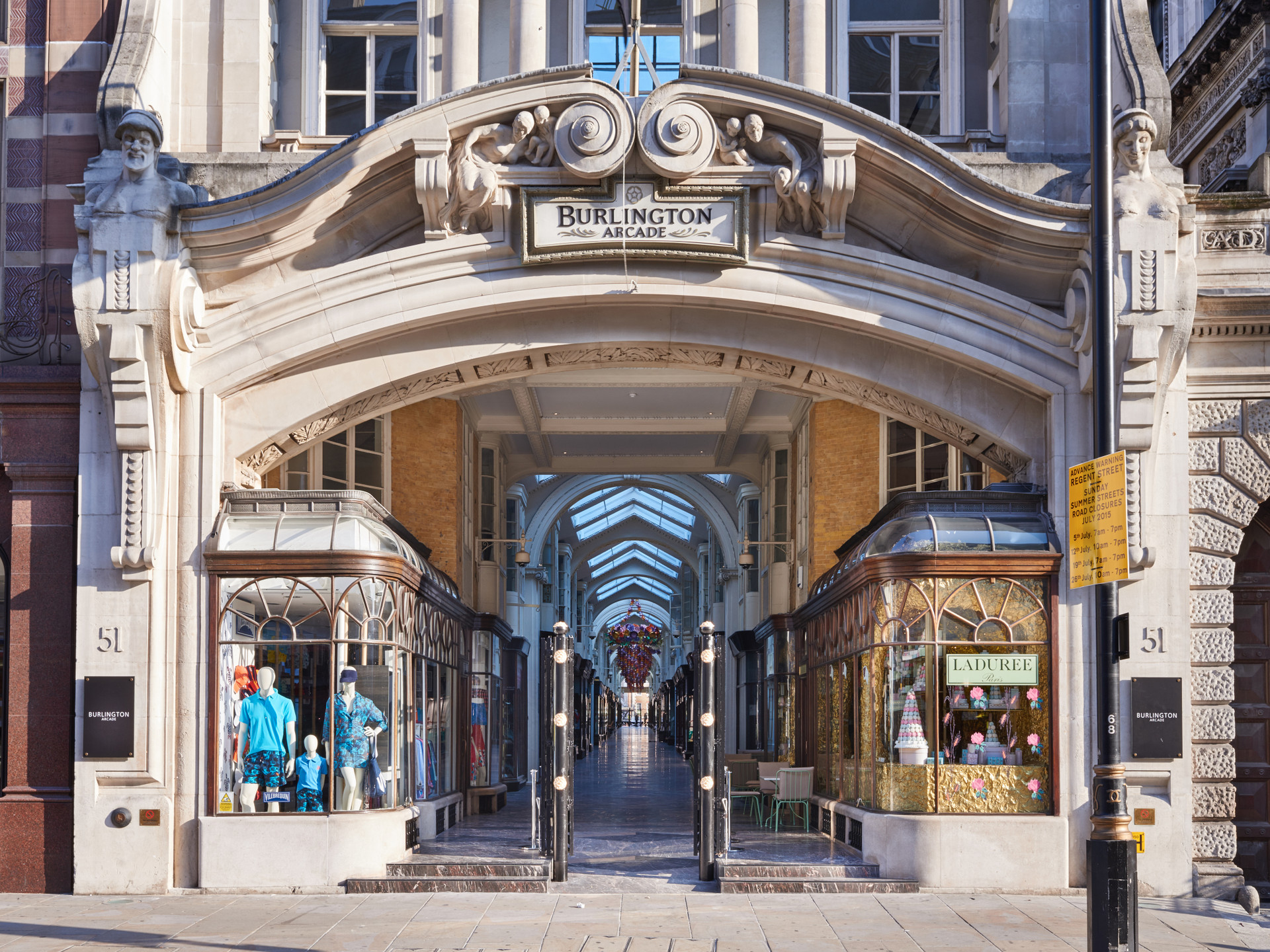
Look first at the way the stone relates to neighbouring surfaces. A close view can reveal texture or movement, while a wider view shows the scale of the overall composition. Treat both as useful parts of a material brief rather than relying on one cropped image.
For a project of your own, review the panel layout together with corners, returns and changes of level. Mark the direction of the grain or veining on the drawings so that adjoining surfaces can be discussed as a complete arrangement.
Surface appearance and technical performance are separate decisions. Ask for current samples and the appropriate project documentation before agreeing a material, finish or installation detail. A reference photograph does not establish a product specification.
Share the selected Luyestone catalogue code, required dimensions and intended application. Include edges, openings and quantities in your brief. These details create a clear basis for a material conversation without assuming that a different project uses the same stone or construction method.